
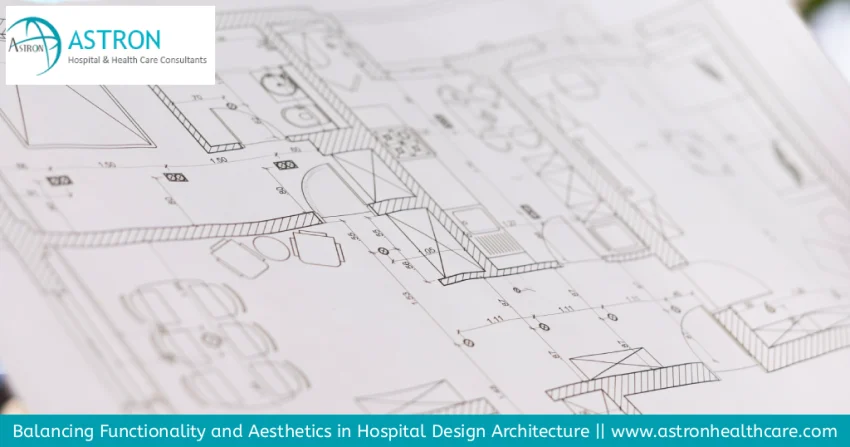
Designing a hospital is no longer about constructing buildings for the purpose of treatment. Modern health facilities are more about being functional and attractive. Good hospital design architecture combines functionality and aesthetics in a way that enhances patient experiences, staff efficiency, and overall operations. Such a balance needs to be struck so that hospitals are also inviting and comfortable besides being places for healing.
Why Functionality Matters in Hospital Design
Functionality is the mainstay of any hospital design. Everything, from designing the rooms to workflow planning, directly relates to patient care and staff efficiency. In hospital design architecture, functional considerations include:
- The workflow is efficient: Properly situating the departments, nursing stations, and support areas minimizes trafficking for personnel as well as patients.
- Patient safety: Risk is reduced and response times can definitely improved with wide corridors, clear signage, and accessible emergency exits.
- Operational efficiency: Storage solutions, utility layouts, and service areas are planned and crafted in a way the it can enhance the daily operations in a smooth manner.
The Role of Aesthetics in Hospital Design
By focusing on functionality, a hospital allows for seamless, safe, and very efficient healthcare delivery.
While functionality ensures safety and efficiency, aesthetics play an important role in patient experience and the morale of the staff. A well-designed hospital can also relieve the patients and visitors alike from unwanted stress, promotes healing make a pleasant environment. Few of the aesthetic elements include:
- Ventilation and natural light’s inflow- Large windows, skylights, and open spaces improve mood and comfort.
- Color schemes and interior finishes: Pleasing to the eyes color, texture and work of art in the form of wall paintings can reduce anxiety levels and create a welcoming vibe to the person.
- Therapeutic spaces allow patients and visitors to destress amidst gardens, relaxation areas, and seating zones.
- Way-finding and signage: Clear, visually appealing signs enable easy navigation by patients.
Aesthetic design does not compromise functionality; instead, it enhances functionality by creating spaces where people feel comfortable and cared for.
Integrating Functionality with Aesthetics
Successful hospital design architecture seamlessly merges functionality and aesthetics. Some strategies include:
- Zoning: Segregating noisy areas, such as emergency or diagnostic departments, from quiet zones ensures operational efficiency while guaranteeing patient comfort.
- Modulate interiors: Flexible furniture and partitions make spaces easy to adjust but not to sacrifice aesthetics.
- Technology integration: Smart lighting, digital signage, and automatic systems enhance workflow yet maintain a modern and attractive environment.
- Patient-centered designs: The design of rooms and common areas, considering convenience and aesthetic appeal, enhances recovery.
Architects and designers work in coordination and initiate consultation with hospital administrators that makes sure that every element of the design is the right fit to serve not just operational needs but also human experience.
Perks of a Composed Design
A hospital, if strikes a balance between functionality with aesthetics can have number of benefits like:
- Better comfort and satisfaction and comfort to the patients
- Heightened staff efficiency and morale
- Reduction in stressful circumstances that can improve the mental health of patients and the vibes of visitors
- Precise adaptability for future readiness of hospital spaces
- Positive brand perception and community trust
Conclusion
Patients, staff, and visitors can get the most benefits if the hospital environment is safe, efficient, and visually comforting. The new hospital design architecture is structurally designed in a way that it can cover both operational excellence and equal aesthetic appeal. Once there is a proper layout, adding technology, and designing therapeutic and visually appealing spaces create an upbeat environment. A planned medical facility gives balance to functionality and aesthetics, transcending from just a treatment center to a space of healing, comfort, and hope for everyone entering it.