
The structure and architecture of a healthcare center can improve the lives of patients. The new conception of medical care facilities runs away from monotonous spaces, betting on the interpretation of color and light. In this way, the spaces influence the mood and the own perception of the body of the patients, in fact, it can help people to recover faster.
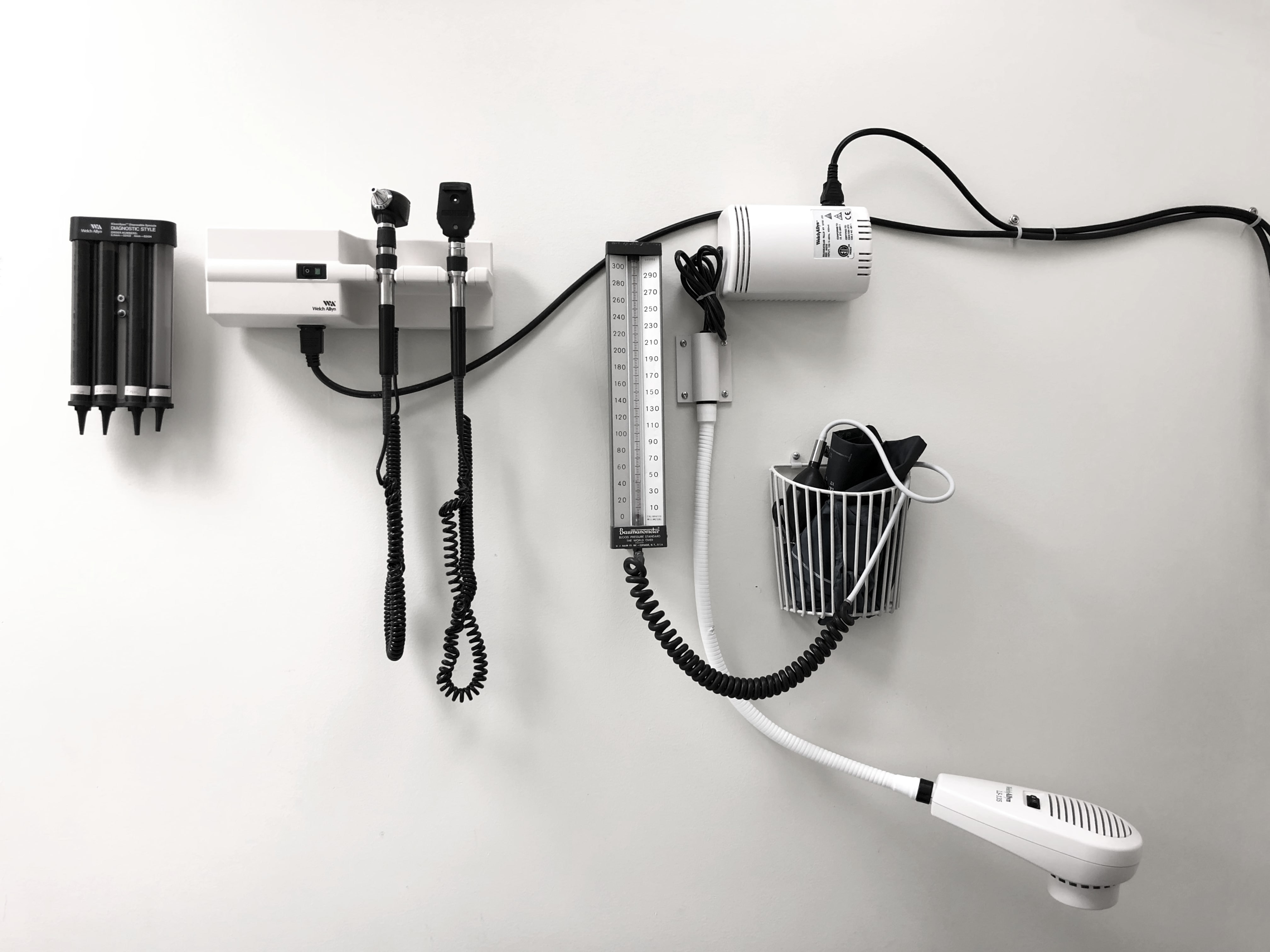
In the past, the design of these facilities focused more on supporting the patient care team than the patient itself. Many of the decisions made in the design, execution and commissioning phase conditioned the greater efficiency of the services in the different areas of the hospital. These buildings, in addition to being beautiful and powerful examples of architecture designed for people, are functional edifices.
Hospital architecture has undergone a change in its functional approach and the hospital is conceived as a sum of spaces that tries to transmit healthy experiences, rather than as a health container space. The objective of hospital consultancy in India is to improve the internal processes in which different areas of the hospital participate in a way that results in their greater efficiency and improved quality services.
In this sense, top healthcare consulting firms in India along with hospital designers convene strategic workshop in which attractive ideas are investigated on how to integrate multidisciplinary co-creation spaces in the future hospital. It is important to achieve a perfect match between the technical and organizational aspects and bear in mind that each function requires its own space.
The integration of patients, health and non-health personnel in a flexible building that combines landscape, natural light, renewable energy and the latest technologies are the peculiarities of XXI century hospital project consultants in India.
Savings and Energy Efficiency
The importance of building energy-efficient hospitals by introducing efficiency indicators, together with those of quality and adequacy, generate differential value. The variables that affect the energy consumption of a hospital are those that share an optimal consumption value, which allows reducing costs, contributing to better economic management of the hospital center and greater care for the environment.
Hospital management consulting company considers Integrated Building Design, a process that integrates people, business structures and procedures from the pre-design phase to the operation and maintenance of the building, which helps to achieve greater operational reliability, reduce maintenance costs and improve the energy efficiency of the system.
Air conditioning and lighting are the applications that concentrate the most on energy consumption and increased energy optimization. The integration of passive solar air conditioning in the design phase helps to reduce the building’s air conditioning needs. Similarly, the arrangement of large windows, allows to maximize the natural lighting of the interior. This light source, in addition to reducing electricity consumption, has been shown to accelerate patient recovery and improved worker productivity and responsiveness.
The accessibility of the facilities determines their subsequent maintenance. The facilities must be accessible and allow the expansion and modification of the same with flexible and modular structures.
The patient experiences
Today, the patient has become the center of healthcare. The individuality of the patient and his humanization holds a special importance.
Some examples that are already being experimented are how to improve the user experience in waiting rooms and convert the downtime of patients and companions into useful times or how to facilitate the mobility of people in the hospital in order to make the orientation and travel around the hospital, to reduce the levels of uncertainty and anxiety of patients and companions.
Actions such as the incorporation of volunteers in tasks to accompany patients, noise reduction campaigns aimed at workers, the wide range of services for hospitalized patients or the elimination of payment on hospitalization televisions are already taking place.
Today, the patient experience is understood as a tool for improvement in hospitals. These have become a real ecosystem with access to patients, families, and experts. To collect their opinion and better understand their experience, participatory design techniques are applied to all members, listening to their needs related to the products, services, spaces and platforms of the hospital.