
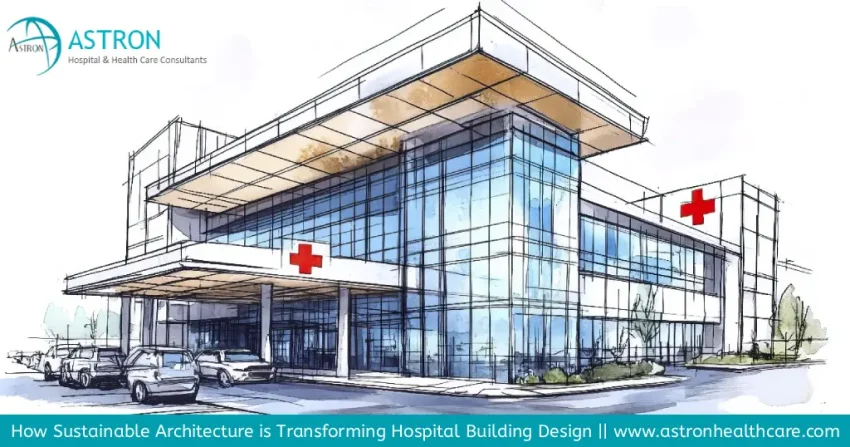
The medical field is also undergoing a great revolution, not only in medical technology but the construction and running of hospitals as well. Among the most influential transformations, one should mention the introduction of sustainable architecture in the design of hospitals. Hospitals are energy- and resource-intensive institutions, and their sustainability is an urgent issue. Sustainable design is reinventing the future of healthcare infrastructure with environmentally responsible practices, intelligent technology, and focus on patients.
Reducing Energy Consumption
Energy demand in hospitals is among the highest compared to other building types, due to 24/7 operations, advanced medical equipment, and critical care requirements. Sustainable architecture introduces solutions such as solar panels, energy-efficient HVAC systems, and natural ventilation techniques. These innovations reduce dependency on non-renewable energy and lower operational costs, making hospital building design more efficient and eco-friendly.
Improved Patient Well-being
The physical environment of a hospital has a direct impact on patient recovery and comfort. Sustainable design highlights natural lighting, green areas and use of non-toxic building materials. Not only do large windows, gardens, and courtyards enhance air quality, but also help reduce stress and heal faster. The design of sustainable hospitals ensures patients and medical facilities enjoy healthier environments by ensuring the human experience is put at the forefront of hospital building design.
Water and Waste Management
Hospitals produce a great deal of biomedical and general waste and also use large amounts of water. Sustainable designs cope with these issues by installing rainwater harvesting systems, water recycling systems and modern waste segregation systems. With such systems incorporated into the design of hospital buildings, the architects will not only save resources but will also maintain hygiene requirements which are of utmost importance in healthcare facilities.
Adapting to Climate Challenges
Hospitals need to be available when there is a crisis such as a natural disaster or a climatic-related event. Flood-resilient buildings, climate-responsive building materials, and insulated building envelopes are just some of the resilient design approaches that are part of sustainable architecture. These characteristics protect critical systems, enabling hospitals to proceed with operations in time of emergencies and limit the impact to the environment over time.
Smart Technology Integration
The use of smart technologies is also central to modern sustainable hospitals. AI-based energy control systems and motion sensors and automated light systems will ensure maximum resource use. Not only are these innovations making the architectural design of the hospitals environmentally friendly, but also technologically sufficient and globally adequate as far as their healthcare infrastructures are concerned.
Long-Term Economic Benefits
Although sustainable construction could involve increased initial investment, the benefits of sustainable construction are long term and thus have more weight than the cost. Economical use of energy, less energy expenses, less maintenance and increased productivity of the employees results in financial efficiency. Furthermore, the green hospital buildings improve the brand image and support the worldwide trend toward being sustainable.
Conclusion
Sustainable architecture is changing how hospitals are designed by striking a balance between patient care, resource efficiency and environmental responsibility. This way of positioning a hospital is more progressive, whether in the realm of energy-saving and awareness or weather-proof and patient-centered premises. In its constantly changing form, sustainability will be central to the design of not only therapeutic sites but also environmental custodians of the hospital.