
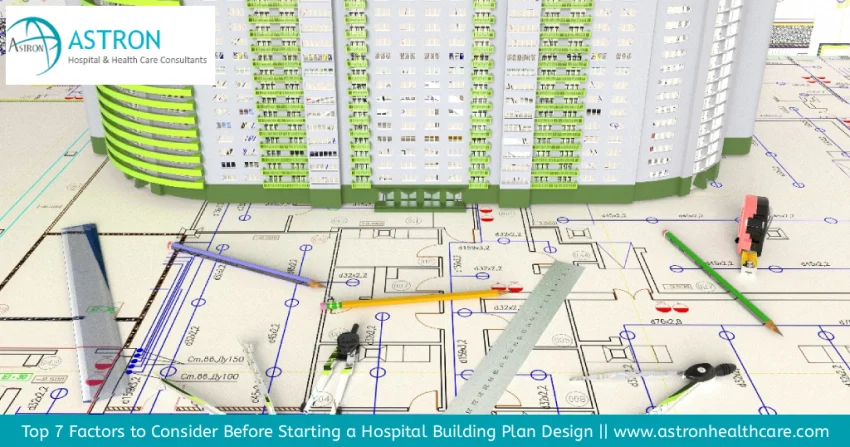
Designing a hospital is a complex process that goes beyond aesthetics and construction. It requires a deep understanding of healthcare needs, safety protocols, and patient flow. A well-thought-out building plan design ensures not just structural stability but also operational efficiency, patient comfort, and adaptability to future medical advancements. Before initiating a hospital’s building project, it’s crucial to consider several key factors that influence the functionality and success of the facility.
Site Selection and Accessibility
The foundation of a successful building plan design begins with the right location. The site must be easily accessible to patients, staff, and emergency services. Proximity to public transportation, road connectivity, and future urban development must be evaluated. A strategic site also considers utilities, zoning laws, and environmental factors like noise and air quality.
Compliance with Health and Safety Regulations
Hospitals are subject to strict local, national, and sometimes international health regulations. The building plan design must accommodate standards set by healthcare authorities, fire safety norms, sanitation codes, and structural stability requirements. Non-compliance can lead to costly delays, legal issues, or even shutdowns after completion.
Efficient Space Utilization
Proper space allocation is crucial in a hospital setting. Each department—from emergency and ICU to diagnostics, surgery, and outpatient care—requires specific layouts. The design must consider the optimal placement of departments to streamline movement, reduce contamination risk, and improve patient and staff workflow. This strategic planning enhances day-to-day efficiency and minimizes delays in patient care.
Patient-Centric Design
Hospitals are not just treatment centers—they’re healing environments. Modern building plan design should prioritize patient comfort, privacy, and mental well-being. Elements like natural lighting, ventilation, green spaces, and noise control play a significant role in recovery. Patient-friendly signage, way finding systems, and rest areas for visitors should also be integrated into the design.
Technology Integration
Medical technology evolves rapidly, and the hospital’s design must support this growth. Whether it’s digital patient records, robotic surgeries, or smart diagnostics, a flexible building plan design must include provisions for future tech upgrades. This includes structured cabling systems, server rooms, and space for new equipment installations.
Infection Control and Hygiene
Hospitals are the most hazardous infection areas. Design features that aid in infection control like negative pressure rooms, single waste disposal pathways, and antimicrobial surfaces, and touchless installations are incorporated in a well-designed setup. It should also be a part of the building plan design that allows enough space through which cleaning and maintenance activities can be done without breaching patient care.
Sustainability and Energy efficiency
Green design is not a mere fad nowadays, or an option. Hospitals are also high-energy/high-water consuming centers, so sustainability was a critical consideration to design. The integration of solar energy, water recycling systems and high-efficiency lighting, and green building materials will help save costs in the long term, as well as be environmentally aware.
Conclusion
A hospital is not an institution but a facility where a person restores and lives. Making a few minutes to seriously think through these seven factors means that the building plan will not only contribute to medical excellence but also to the comfort of the patients, efficiency of the staff, and future profits. Smart planning now translates into safer, smarter and more resilient healthcare facilities in the future.