The problem of staff shortage has been a frequent issue in the healthcare industry. Hospitals usually face difficulties in keeping the appropriate ratio between the demand and the workforce. Smooth operations cannot be achieved without the doctors, nurses, and support staff, but many healthcare facilities have gaps that impact the quality of services. In this…
Improving Hospital Workflow with a Project Management Consulting Company
Hospitals are highly-pressurized facilities where a second can save a life. Since the admission of a patient to diagnosis, treatment, and discharge, various processes must collaborate well together. Nevertheless, numerous healthcare facilities experience the issues of delays, lack of communication, and resources inefficiency. These problems may impact patient care and staff productivity. Here a project…
Optimizing Healthcare Budgets with Management Consulting Expertise
Healthcare sector has its share of challenges when it comes to managing finances. Hospitals, clinics, and diagnostic centers are forced to strike a balance between quality patient care and increasing operation costs. Staff wages to medical equipment and day-to-day operations all require meticulous planning. This is where management consulting can be significant in enabling the…
How a Project Management Consulting Company Improves Hospital Efficiency
Running a hospital well means patients get help fast. When more people need treatment, things can go off track unless systems stay sharp. Because of that, clinics struggle to keep staff, tools, and time in balance. To counter such issues, the assistance of project management consulting company is most required as they know how work…
Why JCI Accreditation Matters for Hospitals Worldwide
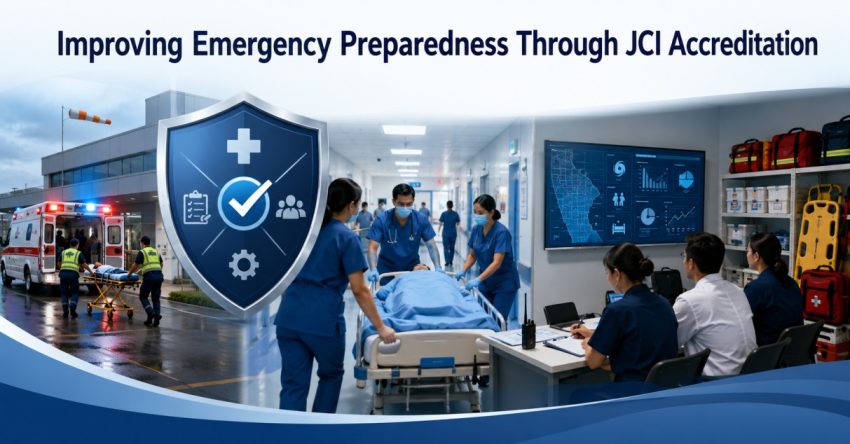
In today’s rapidly evolving healthcare landscape, quality and patient safety have become top priorities for hospitals across the globe. One of the most recognized benchmarks for excellence is Joint Commission International, widely known for setting rigorous healthcare standards. Achieving JCI accreditation is not just a badge of honor—it represents a hospital’s commitment to delivering safe, effective,…
Challenges and Solutions in Urban Hospital Building Design
As cities continue to expand rapidly, the demand for advanced healthcare infrastructure is growing. Urban environments present unique constraints that make hospital building design both complex and critical. From limited space to rising patient volumes, architects and planners must balance functionality, efficiency, and patient comfort while navigating multiple challenges. Space Constraints and Land Availability One of…
The Role of Natural Light and Ventilation in Healing-Centered Hospital Design Architecture
The healthcare environment is an important factor that affects the recovery of a patient, performance of the staff and overall well-being. The modern hospital design architecture today extends way beyond functionality and clinical efficiency. It also incorporates the principles of healing that include natural light and ventilation as their design features. These characteristics not only…
Patient Flow Management under Hospital Design
Efficient patient flow is one of the most critical elements in delivering high-quality healthcare services. From admission to discharge, every stage of a patient’s journey must be carefully planned to reduce waiting times, prevent overcrowding, and ensure timely medical care. Effective patient flow management begins at the planning stage, making it a vital consideration in…
Top Management Consulting Firms: Supporting Hospital Expansion
The process of healthcare expansion is much more complicated than building new facilities or increasing bed capacity. It entails planning, coordination, compliance, staffing and long-term sustainability. This be it a new hospital, clinic, diagnostic centre or specialty unit, proper implementation is vital. It is here the role of top management consulting firms is very important in…
Management Consulting Services on Clinical and Non-Clinical Coordination Improvement
In healthcare organizations, the care of patients is not limited to the doctors and nurses. Throughout all successful treatment, there exist a system of administrative teams, support staff and operational processes. In cases where clinical and non-clinical teams operate independently, delays, errors, and non-satisfaction of patients may ensue. It is at this point that the…